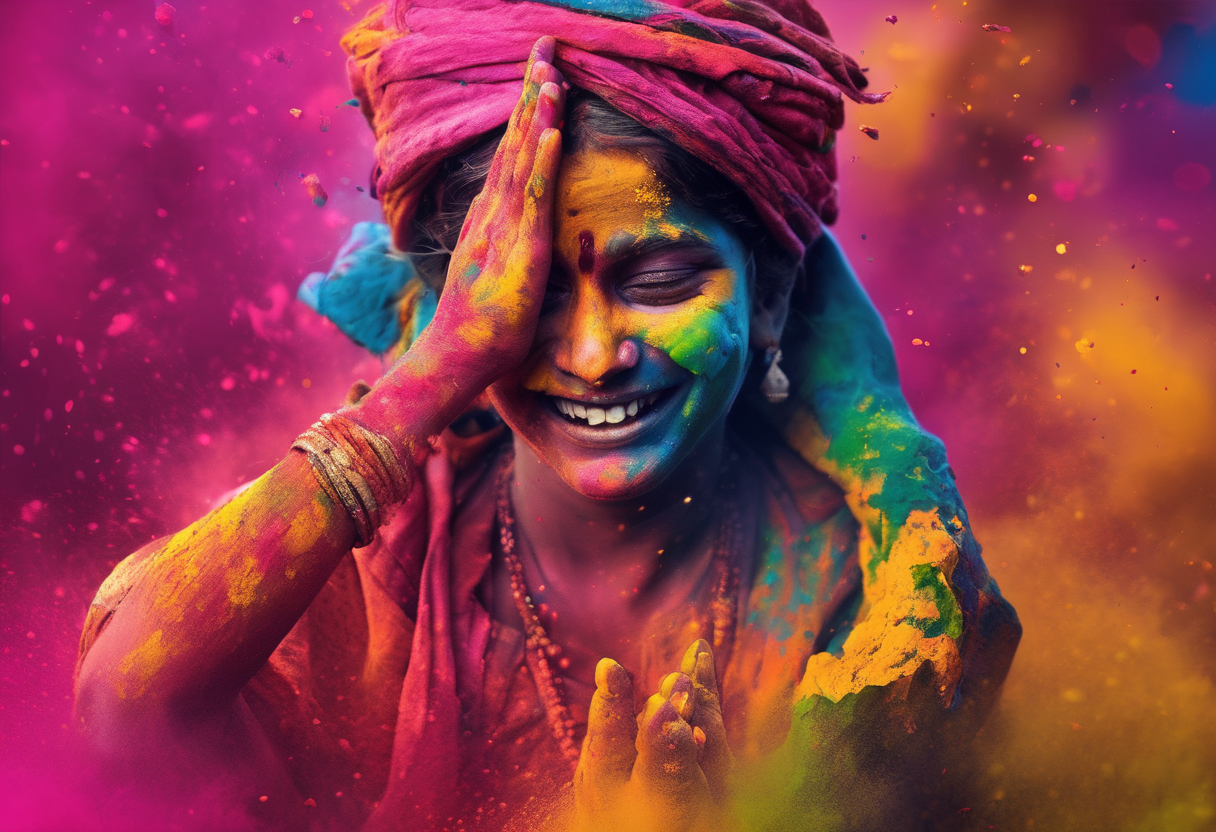
Holi is one of the most widely celebrated festivals in India, marking the arrival of spring and the triumph of good over evil. While the essence of the festival remains the same, the way it is celebrated varies from region to region. The festival is known by various names such as Rangwali Holi, Basant Utsav, and Dol Jatra, but the excitement and joy surrounding it are universal.
In North India, the vibrant cities of Delhi and Jaipur are famous for their grand Holi celebrations, where people spray colored powders and water on each other, dance to traditional folk music, and feast on mouth-watering sweets and snacks. In the western state of Gujarat, Holi is celebrated with the famous “Holi of Colors” festival, where people gather to throw colorful powders and paint on each other, creating a spectacular display of colors.
In South India, the state of Tamil Nadu celebrates Holi as the “Festival of Kama and Kutti” where people get together to perform traditional rituals, make offerings to deities, and exchange gifts with loved ones. The coastal state of Goa has its own unique way of celebrating Holi with a street play called “Holikakulbh”, which narrates the story of demon Holika and her defeat by Lord Vishnu.
Eastern India celebrates Holi as the “Festival of Dol Purnima” where people smear colored powders on each other and feast on traditional delicacies like luchi and payesh. In the northeastern state of Assam, people celebrate Holi with the famous “Phakuwah” festival, where they light bonfires and offer prayers to the deities.
With its diverse culture and traditions, it’s no wonder that Holi is celebrated in so many different ways across India. But one thing remains constant – the spirit of love, joy, and togetherness that surrounds this festival, bringing people from all walks of life together to celebrate the triumph of good over evil.